
Exploring Western Europe’s Charm: Parisian Elegance and Flemish Heritage
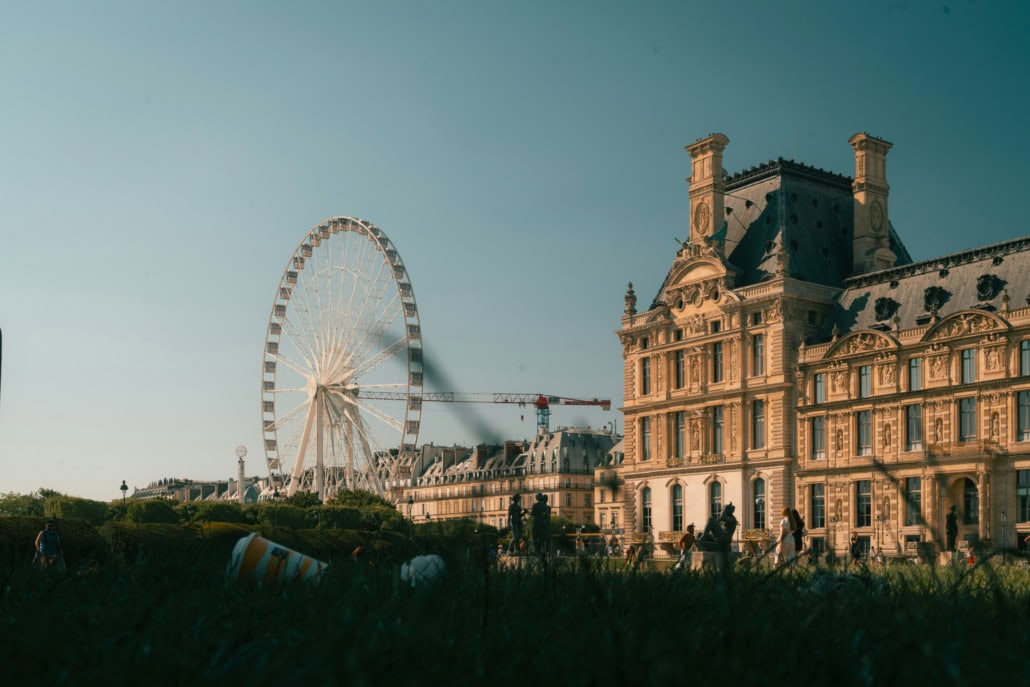
 Western Europe is well suited to a journey built around contrasting city experiences. Paris draws visitors into its world of pavement cafés, grand boulevards and neighbourhood bakeries, while Bordeaux combines handsome architecture with a relaxed riverside atmosphere and a long association with wine. Further north, Brussels brings together Belgian specialities, comic-book culture and monumental squares, while Amsterdam’s canals, narrow houses and independent galleries create a different rhythm altogether. These destinations can be linked by rail, making it possible to experience several distinct places without spending the holiday behind the wheel. The trick is to give each stop its own purpose rather than treating every city as another collection of landmarks. Paris might be about art and neighbourhood walks, Bordeaux about food and day trips, Brussels about Belgian cuisine and architecture, and Amsterdam about waterways and museums. With a little planning, the journey becomes a varied introduction to Western Europe, shaped as much by local routines as by the sights on a postcard.
Paris Beyond the Famous Landmarks
Paris is often associated with the Eiffel Tower, the Louvre and the broad avenues laid out during the nineteenth century, but its character becomes clearer on foot. In the Marais, historic townhouses stand alongside independent boutiques and small galleries. The streets around Canal Saint-Martin have a more casual feel, with waterside paths and cafés where locals gather over coffee or a late lunch. Exploring one district at a time makes it easier to notice these differences without constantly crossing the city. Art remains a major part of Parisian life, although visitors need not spend every day inside a museum. The Musée d’Orsay houses an extensive collection of Impressionist works in a former railway station, while the Centre Pompidou is known for modern and contemporary art. For a lighter afternoon, the Jardin du Luxembourg offers tree-lined paths, fountains and plenty of space to sit between sightseeing stops. Booking popular exhibitions ahead of time can save queuing, particularly during school holidays and summer. Food is another reason to slow down. A morning can begin with a croissant from a neighbourhood boulangerie, followed by a market visit or a simple lunch at a local bistro. Rather than searching for one definitive Parisian meal, try a range of everyday favourites, from onion soup to seasonal tarts and cheeses. The city’s culinary appeal often lies in these ordinary rituals, repeated in streets that feel different from one arrondissement to the next. The train from Paris to Bordeaux makes the two cities easy to combine in one itinerary. High-speed services connect the capital with southwestern France, allowing travellers to arrive with time left for an afternoon walk or dinner. Checking departure stations, ticket conditions and luggage arrangements before booking helps keep the transition straightforward. Staying for at least two nights in Bordeaux also gives the city time to reveal more than its main square and riverfront.
Bordeaux: Riverside Walks and Regional Flavours
Bordeaux offers a change of pace after the capital. Its historic centre is known for elegant stone façades, broad squares and streets that lead towards the Garonne River. Place de la Bourse is one of the city’s best-known landmarks, particularly when its architecture is reflected in the shallow water of the Miroir d’eau. The surrounding riverfront is ideal for a walk, with open spaces and places to stop for a drink or watch boats pass. The city has a strong connection with wine, and visitors can explore that heritage through tastings, specialist shops and the exhibitions at La Cité du Vin. However, Bordeaux has plenty to offer those who are not interested in wine. The Marché des Capucins provides an introduction to local produce, seafood and regional dishes, while independent bakeries sell canelés, small caramelised pastries associated with the city. A relaxed morning spent browsing food stalls can be just as rewarding as a formal tasting appointment. Bordeaux also works as a base for exploring beyond the city centre. The surrounding region includes vineyards, smaller historic towns and stretches of Atlantic coastline. Travellers hoping to visit several places should check local transport options in advance, as some rural destinations are easier to reach by organised excursion or hire car than by train alone.
Connecting the Cities by Rail
Rail travel can tie the French and Belgian sections of this itinerary together without requiring a car. Travellers can plan a route from Paris to Bordeaux, then return north or continue towards Belgium and the Netherlands, depending on their priorities. The Amsterdam to Brussels trains connection is particularly useful for moving between two cities with distinct cultural identities, while avoiding airport transfers and the time spent travelling out to distant terminals. Train schedules and ticket conditions vary, so compare departure times and check which station each service uses. Booking earlier can provide more choice on popular routes, especially during weekends and holiday periods. For a multi-city holiday, it is also worth leaving a little space between arrival and any timed attraction, allowing for delays or the simple need to find accommodation and settle in. 
Brussels: Belgian Traditions in a Compact Capital
Brussels is often treated as a brief stop between larger destinations, but the Belgian capital deserves time beyond a quick photograph of the Grand-Place. The central square is surrounded by ornate guildhalls and historic buildings, and its changing light makes it worth seeing at different times of day. Nearby streets contain chocolate shops, cafés and small restaurants, while the covered Royal Saint-Hubert Galleries provide an elegant passage for browsing shops or sheltering from rain. Food offers a useful way into Brussels life. Belgian waffles appear in many forms, from simple versions dusted with sugar to elaborate servings topped with fruit or chocolate. Frites are another familiar favourite, often served with a choice of sauces, while local restaurants feature mussels, stews and seasonal dishes. Beer is central to Belgium’s culinary traditions, though visitors can enjoy the country’s food culture without making it the focus of every meal. The city also has a distinctive artistic identity. The Belgian Comic Strip Center explores the country’s long association with illustrated storytelling, while murals depicting comic-book characters appear on buildings around the centre. Those interested in European institutions can visit the European Quarter, which has a very different atmosphere from the historic core. Brussels is compact enough to combine several of these areas over a couple of days, with the tram and metro network useful when the weather turns wet.
Amsterdam: Canals, Courtyards and Creative Corners
Amsterdam’s canals shape both its appearance and its everyday movement. Narrow houses line the water, bicycles fill designated lanes and small bridges connect neighbourhoods that are pleasant to explore at a relaxed pace. A canal cruise provides a useful overview, particularly for first-time visitors, but walking beside the waterways reveals details that are easy to miss from a boat. Courtyards, independent shops and quiet side streets offer breaks from the busiest routes. The museum district contains several of the Netherlands’ best-known cultural institutions. The Rijksmuseum traces Dutch art and history across an extensive collection, while the Van Gogh Museum focuses on the artist’s life and work. The Anne Frank House provides a more personal encounter with the history of the Second World War and the persecution of Jewish people. Tickets for popular museums can sell out well ahead of time, so planning these visits early is sensible. Amsterdam’s food scene extends well beyond the cafés around the main canals. Local markets offer cheeses, baked goods and street food, while Indonesian restaurants reflect historical connections between the Netherlands and Indonesia. In the Jordaan district, small eateries and neighbourhood bars provide a more intimate setting for an evening meal. Visitors should also remember that cycling is an everyday form of transport here, so keeping to pedestrian areas and watching for bike lanes makes walking around the city safer and less stressful.
A Western European Route With Room to Breathe
Paris, Bordeaux, Brussels and Amsterdam offer different ways to experience Western Europe, from French food and architecture to Belgian traditions and Dutch canal life. A trip of ten days to two weeks allows a comfortable pace, with two or three nights in each destination and additional time for a day trip if desired. Travellers with less time may prefer to concentrate on Paris and Bordeaux or combine Brussels with Amsterdam rather than rush through all four. The most satisfying moments often happen away from the major attractions: a pastry eaten on a park bench, an afternoon spent browsing a market or a walk along a canal after the crowds have thinned. Allowing time for these everyday experiences gives each destination a stronger sense of place. With a practical rail itinerary and a flexible schedule, Western Europe becomes less about collecting capital-city photographs and more about enjoying the distinct character of each stop.







Leave a Reply
Want to join the discussion?Feel free to contribute!