
Public Spaces, Museums, and Maritime Heritage in the Scandinavian Core
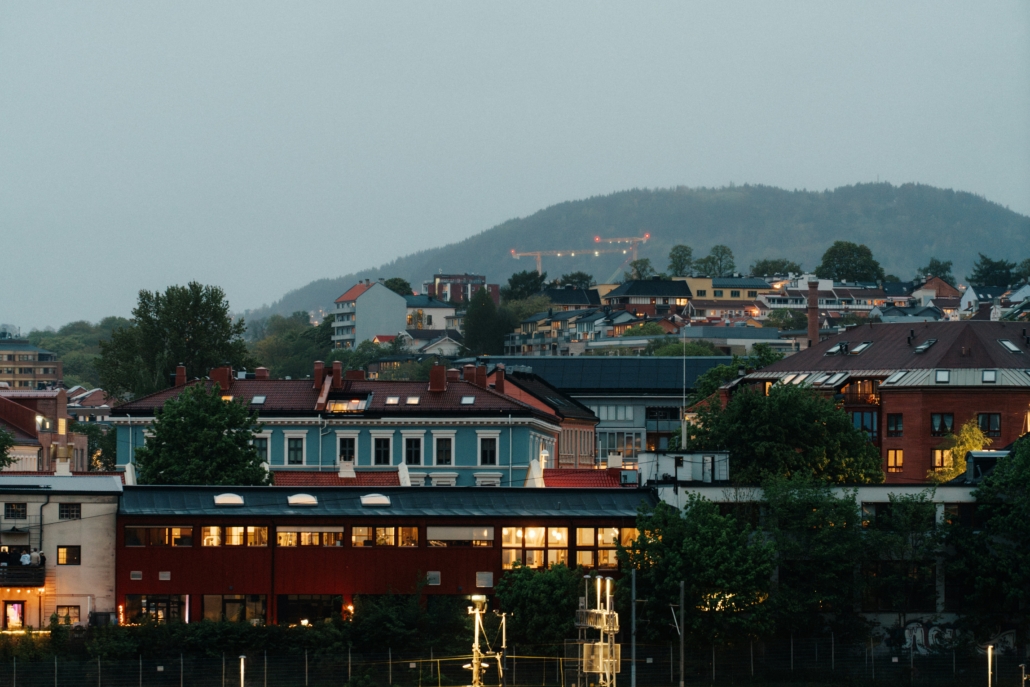

Photo Credit unsplash
Scandinavia’s capital cities are closely tied to water, public design, and efficient transportation systems that make regional travel straightforward. Moving between Norway, Sweden, and Denmark reveals how urban planning, museums, and maritime history continue to shape daily life across Northern Europe, while rail routes connect these capitals through landscapes of forests, coastlines, and lakes.
Rail links across the Nordic capitals
Travelling on the Oslo to Stockholm high-speed train allows passengers to move between Norway and Sweden in roughly five to six hours while observing gradual shifts in scenery along the route. Services departing from Oslo Central Station arrive at Stockholm Centralstation after crossing forests, lakes, and smaller Scandinavian towns. Rail travel between the two capitals remains one of the most practical alternatives to short regional flights because stations are centrally located and border crossings are seamless. Large windows make the surrounding landscape part of the experience rather than simply a background to transportation. The journey also highlights how closely connected Scandinavian countries remain despite differences in geography and language. Seating is generally spacious, and onboard facilities support comfortable long-distance travel. Instead of moving abruptly between airports, passengers experience the region continuously through changing terrain and settlement patterns. This slower form of movement reflects Scandinavia’s broader emphasis on accessibility and sustainability. The route itself often becomes one of the memorable parts of the trip.
Crossing from Denmark into Sweden
The connection between Denmark and Sweden is equally significant, particularly on routes linking the two largest capitals in the region. Taking the Copenhagen to Stockholm rail route introduces travellers to one of Scandinavia’s most important international corridors. Services depart from København H and continue across the Øresund Bridge before travelling north through southern Sweden toward Stockholm. The crossing between countries feels smooth and uninterrupted, with water views and coastal landscapes visible during the early stages of the journey. Compared to air travel, the route provides a much stronger sense of geography and distance. Smaller Swedish towns and open countryside gradually replace the denser urban districts surrounding Copenhagen. Rail infrastructure across this corridor remains highly organised, making multi-country itineraries relatively easy to manage. The route also demonstrates how public transportation supports regional integration across Scandinavia. Travelling continuously between capitals creates a stronger connection to the landscapes between them. The journey reflects the broader Nordic approach to mobility and urban planning.
Oslo’s relationship with nature and design
Oslo combines modern architecture with immediate access to forests and fjord landscapes. The city’s waterfront redevelopment has transformed former industrial areas into public spaces filled with museums, walkways, and cultural institutions. Landmarks such as the Oslo Opera House and the MUNCH museum highlight the city’s focus on contemporary design and public accessibility. Despite being a capital city, Oslo maintains a relatively calm pace compared to many larger European centres. Public transport extends into surrounding natural areas, allowing residents and visitors to move easily between urban districts and hiking routes. Maritime history also remains visible along the harbour, where museums and ferry routes connect different parts of the fjord. Oslo’s low-rise structure and open public areas create a strong sense of space throughout the city. This balance between infrastructure and landscape defines much of its atmosphere. The city encourages slower exploration through walking, ferries, and waterfront routes. Oslo often feels closely integrated with its surrounding environment.
Stockholm’s islands and museum culture
Stockholm spreads across a network of islands connected by bridges, ferries, and public transport lines. Water remains central to the city’s structure, influencing both movement and daily life throughout the capital. The old town of Gamla Stan preserves narrow medieval streets and historic buildings, while newer districts introduce modern Scandinavian architecture and design. Museums play a particularly important role in Stockholm’s identity. Institutions such as the Vasa Museum reflect the city’s maritime history through exhibitions centered on seventeenth-century naval exploration. Public spaces throughout Stockholm are carefully integrated into the urban landscape, with waterfront promenades and parks appearing throughout different districts. Compared to Oslo, Stockholm feels more densely built but still highly organized. Seasonal light also shapes the atmosphere considerably, especially during winter when daylight hours shorten dramatically. The city balances historical preservation with modern functionality. This combination gives Stockholm a distinct character within Scandinavia.
Copenhagen’s urban waterfronts
Copenhagen presents another variation of Scandinavian urban life through its compact layout, cycling culture, and strong relationship with the harbor. Areas such as Nyhavn combine colorful historic buildings with cafés and public gathering spaces along the canals. The city’s harbor zones have increasingly been adapted into swimming areas, pedestrian districts, and cultural venues, reflecting Copenhagen’s emphasis on public accessibility. Cycling infrastructure shapes daily movement more directly here than in many other capitals, with dedicated lanes visible across most districts. Museums, palaces, and design institutions are distributed throughout the city rather than concentrated in one central area. Compared to Stockholm, Copenhagen feels flatter and more compact, which makes walking and cycling especially practical. The atmosphere remains active without feeling overly crowded. Public transport supports movement across the metropolitan region while still encouraging outdoor activity. The city’s integration of waterfronts into everyday life defines much of its identity. Copenhagen often feels designed around accessibility at every scale.
Maritime traditions across Scandinavia
The relationship between Scandinavian cities and the sea extends far beyond tourism or transportation. Maritime history remains deeply connected to trade, exploration, fishing industries, and naval development throughout the region. Museums in Oslo, Stockholm, and Copenhagen all reflect different aspects of this history through preserved ships, harbour districts, and waterfront architecture. Ferry systems also continue to function as part of daily urban transport rather than solely recreational attractions. Coastal geography has historically shaped settlement patterns and economic activity across Scandinavia. This influence remains visible today through port infrastructure and public spaces positioned directly beside the water. Even modern urban redevelopment projects often preserve strong visual connections to harbours and fjords. Travelling between these cities reinforces how central maritime identity remains across the Nordic countries. The sea functions both as a historical foundation and a contemporary part of urban life. This continuity gives Scandinavian capitals a distinctive atmosphere compared to inland European cities.
Public spaces and daily rhythm
One of the most noticeable characteristics of Scandinavian cities is the emphasis placed on public space and everyday
Photo via unsplash
accessibility. Parks, waterfront paths, libraries, and pedestrian districts are integrated naturally into the structure of the cities rather than treated as isolated attractions. Residents regularly use these spaces throughout the year despite changing weather conditions. Seasonal adaptation also shapes daily life, with winter lighting, indoor cultural spaces, and summer outdoor gatherings all influencing how cities function. Compared to many larger global capitals, Scandinavian urban environments often feel quieter and less crowded. Public transportation remains highly efficient but rarely dominates the visual landscape. Instead, much of the movement happens through walking, cycling, and local rail systems integrated into the city design. This balance creates a more measured pace of life overall. Visitors often experience Scandinavian cities as highly organised without feeling overly rigid. The design of public space becomes part of the travel experience itself.
Bringing the region together
Traveling between Oslo, Stockholm, and Copenhagen reveals how Scandinavia combines maritime history, museum culture, and carefully designed public spaces within a highly connected regional network. Rail journeys between the capitals allow travelers to experience gradual changes in landscape and urban structure while remaining connected through efficient and sustainable transportation systems.
This was a guest post written for The Blonde Side – if you’re interested in submitting guest posts, please email jaymelamm @yahoo.com







Leave a Reply
Want to join the discussion?Feel free to contribute!