
Contrasts of Fire and Art: From Icelandic Landscapes to Italian Masterpieces
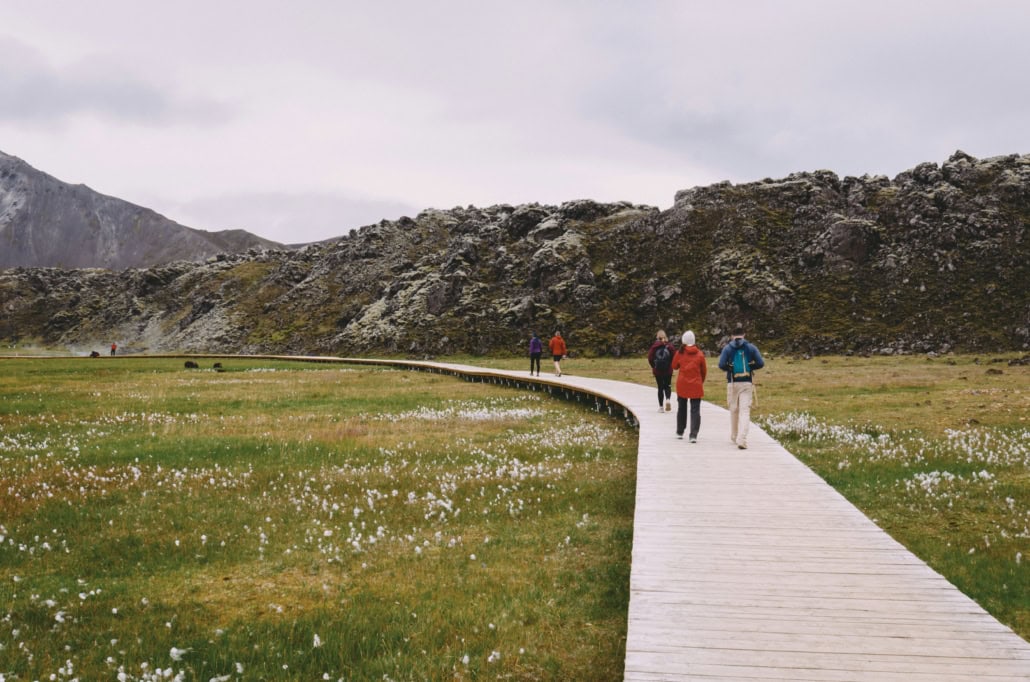
 Few European destinations feel as different as Iceland and Italy. In Iceland, the landscape is shaped by volcanic eruptions, glaciers, black-sand beaches and steaming geothermal fields. Italy, by contrast, draws visitors into centuries of artistic achievement, from Renaissance paintings and Roman ruins to ornate churches and sculpture-filled piazzas. Combining the two creates an unusual holiday built around contrasting experiences, with wild natural scenery at one end and some of the world’s most recognisable cultural landmarks at the other. The logistics require a little thought, particularly because the countries call for different approaches to sightseeing. Iceland rewards travellers who allow time for changing weather and long stretches of open road, while Italy’s cities are often best explored on foot, with museum visits and historic sites planned around opening times. Rather than trying to fit both into a hurried schedule, it makes sense to treat them as two distinct chapters, each with its own pace and priorities.
Where the Ground Never Feels Quite Still
Iceland’s landscapes can change dramatically over a relatively short distance. Near Reykjavík, visitors can explore colourful streets, harbour cafés and the striking Hallgrímskirkja church before heading out towards the countryside. The Golden Circle is a popular introduction to the island’s geological character, bringing together Þingvellir National Park, the Geysir geothermal area and Gullfoss waterfall. At Þingvellir, walking paths cross a landscape shaped by the movement of tectonic plates, while the geothermal fields offer a closer look at the forces beneath the earth’s surface. Further along the south coast, waterfalls tumble from steep cliffs and rivers cut through broad expanses of dark volcanic terrain. Seljalandsfoss allows visitors to walk behind the falling water when conditions permit, while Skógafoss produces an impressive curtain of spray, especially after rain. Reynisfjara, near the village of Vík, is known for its black sand and basalt formations, although powerful waves make it essential to observe safety warnings and remain well back from the water. Travellers researching Iceland travel packages should consider the season, the length of their stay and how much driving they are comfortable doing. Summer brings long daylight hours and greater access to remote areas, while winter creates opportunities to see the northern lights when skies are dark and conditions are suitable. Winter driving can be demanding, and weather-related road closures are possible, so a guided excursion may be preferable for visitors unfamiliar with Icelandic conditions. Whatever the season, a flexible itinerary is valuable because weather can change plans quickly.
Beyond the Road: Iceland’s Geothermal Side
Iceland’s natural attractions are not limited to waterfalls and volcanic scenery. Geothermal bathing is part of the country’s modern travel culture, with hot-water pools providing a place to relax after time outdoors. The Blue Lagoon is among the best-known options, while public swimming pools in Reykjavík offer a more everyday experience of local life. Checking reservation requirements and following bathing etiquette helps make a visit straightforward.
The capital also deserves more than an overnight stop. Reykjavík’s museums cover Icelandic history, maritime traditions and the island’s settlement, while its cafés and restaurants introduce visitors to local ingredients. Seafood features prominently on many menus, and travellers may encounter dishes based on lamb, skyr and seasonal produce. Spending time in the city before or after a countryside excursion provides a useful contrast to the sparsely populated landscapes beyond it. For those with additional days, the Snæfellsnes Peninsula offers coastal cliffs, fishing villages, lava fields and views of Snæfellsjökull glacier. It provides a sense of Iceland’s variety without requiring a full journey around the island. Travellers attempting the Ring Road, by comparison, need enough time to handle long distances and make stops along the way. Rushing from one landmark to the next can mean missing the quiet stretches that give Iceland much of its atmosphere.
Italy: Art and Architecture Around Every Corner
Those considering Italy trip packages should think about how much time they want to devote to art, food and travel between cities. Florence, Rome and Venice can form a manageable itinerary by train, but each deserves enough time to appreciate its museums and historic centre. Advance booking is useful for major galleries and monuments, while leaving some unplanned hours makes it easier to enjoy the streets beyond the headline sights. Italy presents a different kind of exploration, with its cultural landmarks woven into ordinary city life. Florence is an essential stop for anyone interested in Renaissance art. The Uffizi Gallery contains works by Botticelli, Leonardo da Vinci and other major artists, while the Accademia Gallery is home to Michelangelo’s David. Both are popular, making advance reservations particularly useful during the main tourist seasons. Beyond the galleries, Florence’s streets reveal layers of artistic and architectural history. The cathedral’s enormous dome dominates the skyline, while the Ponte Vecchio crosses the Arno River beneath rows of historic buildings. The Oltrarno district, on the other side of the river, has artisan workshops, neighbourhood restaurants and quieter streets where visitors can spend an afternoon without following a strict sightseeing route. Rome brings a different historical scale. The Colosseum and Roman Forum reveal the remains of an empire, while the Pantheon demonstrates the sophistication of ancient Roman engineering. The Vatican Museums contain extensive collections of art, culminating in the Sistine Chapel, and St Peter’s Basilica is one of the most significant religious buildings in Europe. These attractions can easily fill several days, so selecting a few priorities is more rewarding than trying to see everything at once. 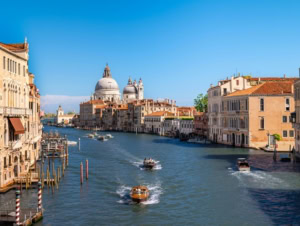
Venice and the Art of Getting Lost
Venice offers a cultural experience shaped by water and unusual urban geography. Instead of conventional roads, the historic centre is organised around canals, narrow lanes and small bridges. St Mark’s Basilica is known for its elaborate mosaics, while the Doge’s Palace reveals the political history of the former Venetian Republic. The Accademia Gallery provides an introduction to Venetian painting, including works by artists such as Titian and Tintoretto. The city can become crowded around its main attractions, especially during the middle of the day. Exploring the quieter neighbourhoods of Cannaregio or Dorsoduro gives visitors a chance to encounter local shops, small squares and waterfront paths away from the busiest routes. A vaporetto ride along the Grand Canal provides a practical way to see the palaces lining the water, while also serving as public transport.
Planning Two Very Different Experiences
Iceland and Italy work best when the practical differences are taken seriously. In Iceland, distances between attractions can be substantial, and access to certain areas depends on road and weather conditions. A hire car offers flexibility in suitable seasons, while guided tours reduce the burden of planning unfamiliar routes. In Italy, high-speed trains connect several major cities, and public transport or walking usually makes getting around urban centres simpler than driving. Packing also requires different priorities. Waterproof outerwear, sturdy footwear and layers are useful in Iceland, where conditions can shift within a single day. In Italy, comfortable walking shoes are essential for cobbled streets, museum queues and long days on foot. Summer visitors should also prepare for high temperatures in many Italian cities, particularly during July and August. A combined holiday needs sufficient time for international travel and adjustment between destinations. Rather than dividing a short trip between both countries, consider allowing at least several days in each, with extra time if Iceland’s countryside or Italy’s museums are central to the plan. Travellers with limited time may find it more satisfying to explore one country thoroughly and save the other for a separate visit.
Two Countries, Two Ways of Seeing the World
Iceland and Italy offer contrasting ways to spend a holiday. One brings the scale of geological forces into focus, from glaciers and lava fields to waterfalls and geothermal pools. The other invites close attention to the work of human hands, whether in a Renaissance painting, an ancient monument or the architecture of a historic square. Their differences are precisely what make the combination interesting. With sensible planning, the journey can move from Iceland’s open horizons to Italy’s art-filled cities without either destination becoming a rushed stopover. Allow time for weather, travel and unplanned discoveries, and the experience will extend beyond a checklist of famous sights. The result is a holiday shaped by both the natural world and the creative achievements that have defined generations.







Leave a Reply
Want to join the discussion?Feel free to contribute!