
Capital Cities of Europe: From British Frontiers to Central Heritage
 Europe’s capital cities have a way of revealing the continent’s contrasts within a relatively short journey. In London, centuries of royal tradition sit alongside modern galleries, bustling markets and neighbourhoods shaped by cultures from around the world. Edinburgh brings a more intimate atmosphere, with its medieval closes and castle rising above the rooftops, while Vienna and Prague introduce grand palaces, elegant squares and streets where architectural details reward a slower look. Visiting these cities on one trip offers a chance to see how different histories, traditions and ways of life have shaped Europe’s urban landscape. Rail travel makes a multi-city itinerary particularly appealing. Rather than spending precious holiday time navigating airports, travellers can often depart from central stations and arrive close to the heart of their next destination. The key is to choose a route that allows enough time in each city, balancing major landmarks with local cafés, parks and neighbourhoods that give each place its own character.
London: A Capital of Contrasts
London is a natural starting point for exploring Europe’s capital cities, combining recognisable landmarks with a lively contemporary culture. Westminster Abbey, the Houses of Parliament and Buckingham Palace provide a glimpse into Britain’s political and royal history, while the River Thames connects many of the city’s best-known sights. Walking along the South Bank brings views of St Paul’s Cathedral, the Tate Modern and the city’s changing skyline, with cafés and riverside spaces offering places to pause along the way. The capital’s neighbourhoods are just as compelling as its monuments. Covent Garden draws visitors with its street performers and historic market buildings, while Borough Market is a favourite destination for sampling British produce and international dishes. Notting Hill has colourful terraces and independent shops, whereas Shoreditch is known for street art, creative spaces and an ever-changing selection of restaurants. London also rewards travellers who leave room for less structured days. The Natural History Museum, British Museum and National Gallery provide opportunities to explore art, science and history, while Hyde Park and Regent’s Park offer a quieter alternative to busy streets. With an extensive Underground network and frequent buses, it is relatively easy to organise visits around different parts of the city without relying on a car.
Edinburgh: Medieval Streets and Scottish Stories
Edinburgh offers a striking contrast to London’s broad avenues. Its Old Town follows the contours of a ridge, with narrow closes branching off the Royal Mile and historic buildings clustered beneath the castle. Edinburgh Castle dominates the skyline, providing views across the city and towards the Firth of Forth. Inside, visitors can explore centuries of Scottish history, although setting aside enough time is advisable, particularly during the busy summer festival season. The Royal Mile connects the castle with the Palace of Holyroodhouse, passing churches, traditional shops and historic courtyards. Beyond the main route, independent bookshops and small cafés offer opportunities to experience the city at a gentler pace. Those keen to see Edinburgh from above can walk towards Calton Hill for sweeping views without committing to a longer hike. For travellers continuing south, the Edinburgh to London train provides a direct rail connection between Scotland’s capital and England’s largest city. The journey itself offers a changing view of the British landscape, from Scottish scenery to northern English towns and countryside. Booking in advance can help secure suitable departure times, particularly during school holidays and major events. Travelling by rail also avoids the need to arrange a hire car or navigate traffic between two busy urban centres.
Exploring Prague and Vienna by Rail
Prague and Vienna fit naturally into the same itinerary, offering two distinct perspectives on Central European heritage. The Prague to Vienna train connection makes it possible to travel between the cities without a complicated transfer, leaving time to enjoy both destinations rather than losing a day to transport. Services and journey durations vary, so checking the timetable and departure station before booking is worthwhile. Rail travel also allows visitors to carry their luggage with them and arrive close to each city’s public transport network. Reserving seats can make the journey more comfortable, particularly for families or groups travelling together. With a little preparation, the journey becomes a straightforward transition from Prague’s medieval streets to Vienna’s imperial boulevards.
Prague: A City Shaped by Centuries
Prague’s historic centre feels almost theatrical, with red rooftops, ornate façades and church spires forming a distinctive skyline. The Old Town Square is an ideal place to begin exploring, especially for visitors interested in architecture. Its Astronomical Clock draws crowds throughout the day, while the surrounding streets lead towards cafés, small shops and historic courtyards. Arriving early can make the central area more enjoyable before the busiest sightseeing hours. Across the Vltava River, Prague Castle overlooks the city from a hilltop complex of courtyards, palaces and churches. St Vitus Cathedral is one of its major landmarks, with elaborate stonework and stained-glass windows. Charles Bridge connects the castle district with the Old Town, offering views along the river and towards the city’s many towers. Although the bridge is particularly busy at midday, an early morning walk provides a calmer atmosphere and softer light. Prague is also a city for lingering over meals. Traditional Czech restaurants serve dishes such as roast meats, dumplings and hearty soups, while modern cafés and bakeries offer lighter alternatives. Visitors who wander away from the busiest tourist streets can find quieter places to eat and get a better sense of everyday life beyond the historic centre.
Vienna: Imperial Grandeur and Café Culture
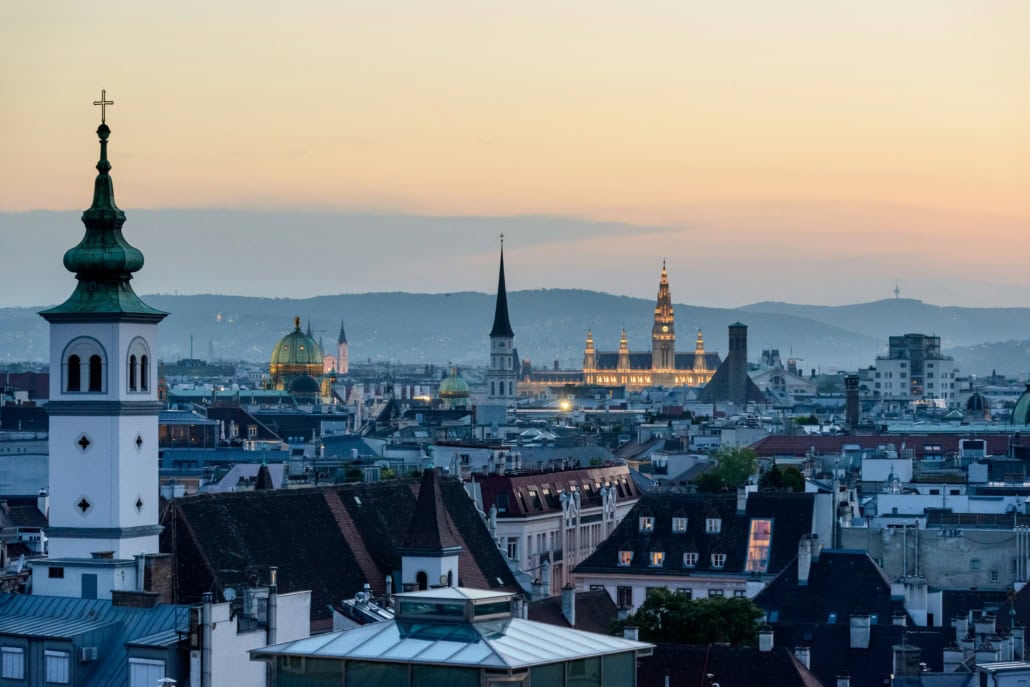
Vienna’s architecture reflects its former role as the centre of the Habsburg Empire. The Ringstrasse curves around the historic centre, passing monumental buildings that include the State Opera, Parliament and City Hall. The Hofburg palace complex provides a closer look at imperial history, while Schönbrunn Palace, on the city’s outskirts, combines grand interiors with extensive gardens. Allowing several hours for Schönbrunn makes it easier to appreciate the grounds as well as the palace itself. The Austrian capital is equally well suited to slower pleasures. Traditional coffee houses invite visitors to settle in over coffee and a slice of cake, while markets such as the Naschmarkt bring together produce stalls, casual eateries and international flavours. Vienna’s public transport system makes it simple to move between districts, leaving more time to explore rather than walk long distances between attractions. Art enthusiasts can visit the Kunsthistorisches Museum, known for its extensive collections, or explore the Belvedere, where works by Austrian artists sit within an impressive palace setting. For a change of pace, the Prater offers open space and the famous Giant Ferris Wheel, with views across the city from its elevated cabins.
Making the Most of a European Capital-Hopping Trip
A route linking London, Edinburgh, Prague and Vienna combines several different urban experiences, but the itinerary needs enough breathing room to remain enjoyable. Around two or three nights in each city is a useful starting point, depending on whether museums, day trips or food experiences are the main priority. Travellers with less time may prefer to focus on the British capitals or the Central European pair rather than rush between all four. Seasonal conditions can influence the experience. Spring and early autumn often bring comfortable temperatures for walking, while summer offers long days but larger crowds at major attractions. Winter can be atmospheric, particularly when seasonal markets appear in Prague and Vienna, though daylight hours are shorter and warm layers are essential. The pleasure of visiting Europe’s capitals lies in both their famous sights and their everyday details. A quiet coffee after a museum visit, an evening walk beside the river or an unexpected turn into a historic courtyard can be as memorable as a palace or cathedral. With well-chosen rail connections and a realistic schedule, London, Edinburgh, Prague and Vienna form a rewarding journey through Europe’s varied history, architecture and city life.







Leave a Reply
Want to join the discussion?Feel free to contribute!