
The Blonde Side
  • Link to Facebook
  • Link to X
  • Link to Pinterest
  • Link to Youtube
  • Link to Instagram
  • SPORTS
  • TRAVEL
  • FITNESS
  • BLOG
  • CONTACT
  • THE BLONDE
  • Click to open the search input field Click to open the search input field Search
  • Menu Menu

The Landscaper We Actually Trust: Why We Called Hall Landscape (Twice) in Castle Rock

Blog

Let’s talk about something nobody warns you about when you buy a house, build one or renovate one: finding a landscaper you can actually trust is terrifying (and nearly impossible).

I don’t say that lightly. If you’ve followed along with our home renovation saga in Castle Rock, you already know we lived through a home remodel that felt like it would never end. What was supposed to be simple (and within budget) turned into months of delays, no-shows, and people who took our money (like, all of it) and gave us nothing but excuses in return. So when it came time to tackle the landscaping on our Castle Rock home renovation, I was not about to hand tens of thousands of dollars to just anyone with a truck and a business card. The more I told our Castle Rock home renovation nightmare, the more I heard “landscapers are just as bad.” Cool, anxiety for $1000, please Alex.

We used Hall Landscape at our first Castle Rock home in Blacktail at The Meadows, and when it came time to redo the front yard at our current house, there was a limited debate about who we were calling. Some things you don’t gamble on twice, and a good landscaper in Castle Rock is one of them.

Why Finding A Trusted Landscaper Feels Impossible

If you’ve ever tried to hire a landscaper, you know the process is its own special kind of chaos. We reached out to a handful of landscaping companies that were recommended to us for bids on the project, and the experience told us everything we needed to know before a single shovel hit the dirt.

One landscaper never showed up to the initial walkthrough. Not once, not twice. Just gone, like the meeting never existed. Another company scheduled with us two, sometimes three times, and cancelled every single time. No call, no real explanation, just radio silence and a rescheduled text that never turned into an actual appointment. And that ones that did call to share their excused, spent 15 minutes with a sob story and details I didn’t need to know. I get it that things happen and need to be rescheduled, but if that’s how landscapers were going to act before they got our money, imagine how they’d no-show or delay after they had our money. That wasn’t something we could afford to risk.

Were some of those bids cheaper? Sure. But cheaper doesn’t mean much when the person quoting you can’t be bothered to show up. After what we went through with our house, we learned the hard way that price is actually the least important number on any bid. What matters is whether the person standing in front of you is going to be accountable when things get complicated, because in construction and landscaping, something always gets complicated. It’s just the nature of the business.

We needed a landscape designer who treated our front yard like it mattered, who kept appointments, and who had a reputation in Castle Rock that backed up every promise they made. That’s exactly what we got with Hall Contracting.

Related: What I wish I knew before building a home in Castle Rock

Why We Went Back To Hall Landscape
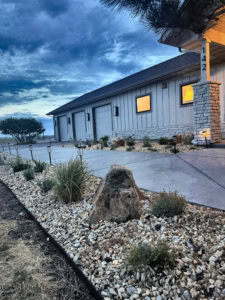
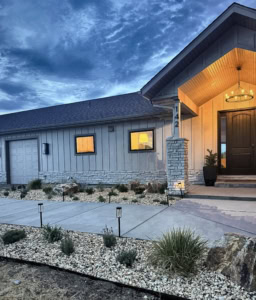
The Hall landscaping team showed up when they said they would. They walked the property, listened to what we actually wanted, and gave us a plan that made sense for our home instead of a generic, cookie cutter yard. As a landscape architect and design team, they think through grading, drainage, and how the whole space will function years down the road, not just how it looks the day it’s finished. They were honest and upfront – to the point we wanted some things done in the backyard and they said it wouldn’t be worth the money. You don’t find that kind of transparency in many businesses these days.

For our front yard, we talked through everything from garden beds to foundation plantings, and they helped us figure out where xeriscaping made sense given how dry Colorado summers get. If you live here, you already know that water-wise landscaping isn’t just a trend, it’s basically a requirement if you want your yard to survive July. Hall knows exactly how to blend xeriscaping with actual curb appeal so your yard doesn’t look like a rock pile with a cactus in the middle of it.

We also talked about long-term plans for outdoor living spaces in the backyard down the road, things like a custom firepit and a patio living area where we can actually use our thirteen acres instead of just staring at it from the window. Hall has the range to handle both, the front yard refresh we needed now and the bigger custom outdoor living vision we’re dreaming about for later.

What Makes Hall Different From Other Landscaping Companies

Here’s the thing about hiring any landscaper, garden designer, or contractor of any kind. Reputation is everything, and reputation is earned one client at a time. Hall Landscape has built theirs in Castle Rock by actually doing what they say they’re going to do, which honestly should not be a rare quality but somehow is.

They communicate. They show up. And when you’re handing someone that much money to redo your yard, that kind of consistency is worth more than a lower bid from someone who can’t commit to a single meeting.

If you’re a plant person like me, you’ll also appreciate that their team actually knows their plants. Not just what looks pretty in a photo, but what will thrive in Colorado’s climate, at our elevation, through our wild swings between snow and sun.

After everything we went through with our house, we were done gambling on people who couldn’t be trusted with our home or our money. Hall Contracting earned our trust the first time around at Blacktail, and they earned it again with this front yard project. If you’re in Castle Rock or the surrounding areas and you’re searching for a landscaper who shows up, communicates, and delivers work you’ll love for years, Hall Landscape Contractors is who I’d call every single time.

If you’re looking for a Castle Rock landscaper, check them out at and see for yourself why they’re the only name we trust with our yard. They also offer commercial landscaping in Denver and I know they’d treat your project just as professionally as they did ours.
July 28, 2026/by Jayme
https://theblondeside.com/wp-content/uploads/2026/07/Landscaping_CastleRock-scaled.jpg 2560 2182 Jayme https://theblondeside.com//wp-content/uploads/2018/06/1526998321020-300x192.png Jayme2026-07-28 11:39:532026-07-28 11:39:53The Landscaper We Actually Trust: Why We Called Hall Landscape (Twice) in Castle Rock

Ancient Kingdoms and Contemporary City Life in the Asia–Pacific Region

Blog

Photo Credit: unsplash

The Asia–Pacific region combines some of the world’s oldest cultural sites with rapidly developing modern cities. Travelling across countries such as Cambodia and Australia reveals strong contrasts between ancient architecture, coastal landscapes, and highly urbanised metropolitan centres, while modern transport links make it easier to experience these differences within a single itinerary.

Exploring Southeast Asia’s historical centres

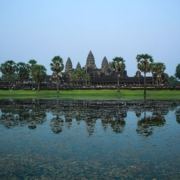
Many travelers begin their regional journeys through organised Cambodia tour packages, particularly when visiting historic sites connected to the Khmer Empire. Cambodia’s road and domestic transport networks link cities such as Siem Reap and Phnom Penh while also providing access to ancient temple complexes surrounded by forests and rural landscapes. Guided itineraries are especially common around Angkor Wat, where large archaeological areas can be difficult to navigate independently without local transport. Traveling through Cambodia introduces visitors to slower-moving environments shaped by markets, river systems, and smaller communities outside the major urban centres. The contrast between highly detailed temple architecture and rapidly developing city districts becomes visible within relatively short distances. Organized travel also simplifies movement between destinations where public transport infrastructure may be less predictable than in larger Asian capitals. This approach allows travellers to focus more on cultural exploration and less on logistics. Cambodia often acts as an introduction to Southeast Asia’s historical depth. The pace of travel tends to feel gradual and observational rather than fast-moving.

Rail journeys along Australia’s southeastern coast

In Australia, taking a train to Melbourne from Sydney offers a completely different style of long-distance travel across the Asia–Pacific region. Services departing from Central Station Sydney arrive at Southern Cross Station after travelling through coastal districts, farmland, and regional towns across New South Wales and Victoria. The journey takes several hours, creating a slower transition between Australia’s two largest southeastern cities. Unlike air travel, rail passengers remain connected to the surrounding landscape throughout the route. Smaller stations and open countryside become visible parts of the experience rather than simply passing unnoticed below an aircraft. Reserved seating and onboard facilities support long-distance comfort, while large windows encourage observation of changing scenery. The route highlights the scale of Australia’s southeastern regions and the gradual differences between urban centres. Rail travel here feels less focused on speed and more connected to geography. This slower movement contrasts strongly with the faster urban rhythms of Sydney and Melbourne themselves.

Photo Credit unsplash

Siem Reap and Cambodia’s historical legacy

Siem Reap functions as the gateway to Cambodia’s most internationally recognised historical landmarks. The city itself combines tourism infrastructure with local markets, riverside areas, and quieter residential districts. Most visitors arrive here to explore Angkor Wat and surrounding temple complexes, many of which are spread across large forested areas outside the urban centre. Temples such as Bayon Temple and Ta Prohm reveal how architecture and nature have become closely intertwined over centuries. Early mornings and late afternoons shape much of the daily rhythm around the archaeological sites, especially during warmer seasons. Compared to larger Asian capitals, Siem Reap moves at a noticeably slower pace. Streets remain active with markets, cafés, and small businesses, though the atmosphere feels calmer overall. The city introduces visitors to Cambodia’s cultural history while remaining relatively accessible for international travellers. The combination of ancient ruins and everyday urban life creates a distinctive environment. This balance defines much of the broader Cambodian experience.

Phnom Penh and modern transformation

Phnom Penh presents another side of Cambodia through its rapidly developing urban landscape and political history. Positioned along the Mekong and Tonlé Sap rivers, the city combines colonial-era architecture with modern construction and expanding commercial districts. Sites such as the Royal Palace Phnom Penh and the National Museum remain central to the city’s historical identity, while newer developments continue to reshape the skyline. Public transport infrastructure is less extensive than in many neighbouring capitals, which changes how visitors move through the city. Tuk-tuks and private transport remain common forms of urban movement. Phnom Penh feels more active and crowded than Siem Reap, particularly around major roads and riverfront districts. The city also reflects Cambodia’s recent history more directly through museums and memorial sites connected to the twentieth century. This creates a more layered urban experience overall. Phnom Penh highlights the country’s ongoing transformation between historical legacy and modern development.

Sydney and the harbour landscape

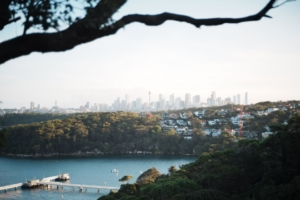
Sydney offers one of the most recognisable urban settings in the Asia–Pacific region, shaped by its harbour, beaches, and dense metropolitan structure. Landmarks such as Sydney Opera House and Sydney Harbour Bridge define much of the city’s international image. Ferries, suburban rail services, and coastal walkways connect districts spread around the harbour and surrounding coastline. Compared to Southeast Asian cities, Sydney feels more spacious and lower in density, though the pace of business and tourism remains fast-moving. Beaches such as Bondi and Manly remain closely connected to everyday urban life rather than functioning solely as tourist areas. Public parks and waterfront spaces also shape movement throughout the city. Sydney balances natural geography with extensive infrastructure more visibly than many global capitals. The harbour remains central to daily routines and transportation. This relationship between city and landscape defines much of Sydney’s atmosphere.

Melbourne’s cultural districts and slower pace

Melbourne introduces a noticeably different urban character from Sydney through its laneways, cultural districts, and more compact central layout. Cafés, galleries, and live music venues contribute strongly to the city’s identity, particularly around neighbourhoods near the central business district. Public transport includes one of the world’s largest tram networks, shaping movement across the city in ways distinct from Sydney’s ferry-focused system. Melbourne’s weather also changes more rapidly, contributing to a different daily rhythm. Markets such as Queen Victoria Market and riverside areas along the Yarra River remain central gathering spaces for residents and visitors alike. Compared to Sydney, Melbourne often feels more focused on cultural activity and neighbourhood exploration than outdoor coastal life. The city’s architecture combines Victorian-era buildings with modern high-rise development. This blend creates strong contrasts across relatively short distances. Melbourne’s atmosphere often feels more measured and locally oriented. The difference between the two cities becomes especially clear when travelling between them by rail.

Landscapes between urban centres

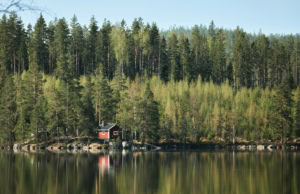
One of the defining aspects of travelling through the Asia–Pacific region is the contrast between densely populated urban centres and large stretches of natural or rural landscape. In Cambodia, forests, rice fields, and river systems remain closely tied to daily life even near major cities. In Australia, long-distance rail routes reveal farmland, bushland, and smaller towns spread across vast distances. Travelling slowly between destinations helps create stronger awareness of geography and regional identity. Unlike air travel, rail and road journeys allow passengers to observe how landscapes gradually shift from one environment to another. Seasonal changes also shape the experience considerably, particularly during monsoon periods in Southeast Asia or summer heat in Australia. The movement between destinations becomes part of the cultural experience itself. This continuity helps connect places that might otherwise feel isolated from one another. Slow travel often reveals more about regional character than the cities alone.

Bringing the regions together

Exploring Cambodia and Australia within the broader Asia–Pacific region combines ancient historical sites with highly modern urban centres connected through very different styles of travel. From temple complexes near Siem Reap to rail journeys between Sydney and Melbourne, each stage of the journey reveals contrasting landscapes, rhythms, and cultural identities across one of the world’s most diverse regions.

This was a guest post written for The Blonde Side.

July 27, 2026/by Jayme
https://theblondeside.com/wp-content/uploads/2026/07/photo-1768882902762-b0c17224c875.avif 1160 1740 Jayme https://theblondeside.com//wp-content/uploads/2018/06/1526998321020-300x192.png Jayme2026-07-27 11:59:392026-08-01 16:19:51Ancient Kingdoms and Contemporary City Life in the Asia–Pacific Region

Follow us on Facebook

X Logo X Logo Followon X

FREELANCE + SPORTS + TRAVEL + FITNESS
COPYRIGHT 2019, THE BLONDE SIDE
CREATED BY JAYME LAMM 

© Copyright - The Blonde Side
  • Link to Facebook
  • Link to X
  • Link to Pinterest
  • Link to Youtube
  • Link to Instagram
Scroll to top Scroll to top Scroll to top