
Seasonal Festivals and Historic Towns Across Sweden’s Heartland
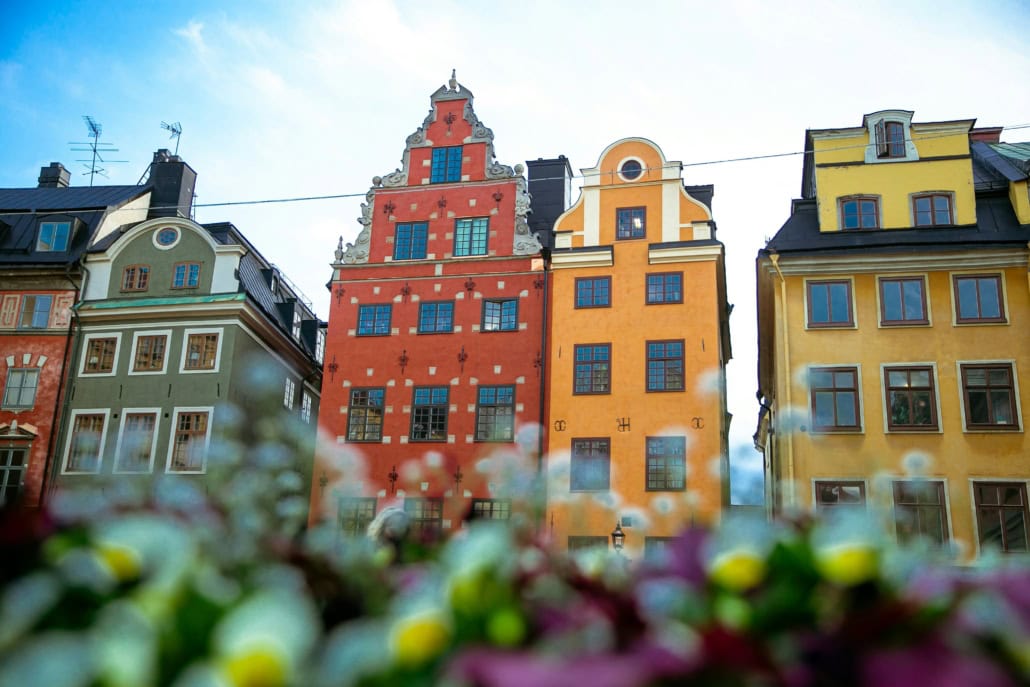
Photo via unsplash
Sweden’s central regions combine lakeside towns, historic districts, forests, and seasonal celebrations that change dramatically throughout the year. Travelling beyond the largest Scandinavian capitals reveals a quieter side of the country shaped by regional traditions, local markets, and landscapes that shift with the seasons.
Planning journeys through Sweden’s regions
Many visitors exploring smaller Swedish destinations begin with organised Sweden holiday packages, particularly when travelling during major seasonal festivals or winter events. Rail connections and regional transport systems make it relatively easy to combine cities, countryside towns, and lakeside communities within one itinerary. Travellers often move between Stockholm and smaller regional destinations using Sweden’s efficient train network, which connects even less populated areas with major transport hubs. Seasonal itineraries vary considerably depending on the time of year. Summer routes frequently focus on outdoor markets, island regions, and long daylight hours, while winter travel centres around Christmas fairs, snowy landscapes, and cultural events. Organised travel can simplify access to remote areas where local transport schedules are less frequent. This structure also allows visitors to experience regional traditions more directly. Sweden’s slower pace outside the capital often becomes one of the defining parts of the journey. Smaller towns reveal another side of Scandinavian life that contrasts with larger urban centres. The country’s changing seasons shape much of the overall experience.
Exploring local traditions and scenic routes
Travellers searching for top Sweden trips often focus on routes that combine historic towns with seasonal celebrations spread across the country’s central regions. Journeys through areas such as Dalarna and Värmland introduce landscapes of forests, lakes, and traditional wooden villages closely associated with Swedish cultural identity. Rail travel remains one of the most practical ways to move between these areas while observing gradual changes in scenery. Seasonal events also influence how destinations are experienced. Summer festivals bring outdoor music, folk dancing, and lakeside gatherings, while autumn and winter shift attention toward harvest traditions and holiday markets. Smaller towns often become centres of regional activity during these periods. Travelling slowly between destinations allows visitors to notice how architecture, local customs, and natural surroundings vary across relatively short distances. Unlike faster urban itineraries, these regional routes focus more on atmosphere than major landmarks alone. The movement between towns becomes part of the cultural experience itself. Sweden’s heartland reveals its character gradually rather than through a single destination.
Stockholm as the northern gateway
Stockholm often serves as the starting point for wider journeys through central Sweden. Spread across islands connected by bridges and waterways, the capital combines historical districts with modern Scandinavian design and highly organised public infrastructure. Areas such as Gamla Stan preserve narrow medieval streets and older architecture, while surrounding districts introduce contemporary museums, waterfront promenades, and public parks. Landmarks including the Vasa Museum and Skansen reflect Sweden’s maritime history and rural traditions. Public transportation connects the city efficiently, though much of the central area is also walkable. Compared to smaller Swedish towns, Stockholm feels more international and fast-moving. At the same time, the city’s relationship with water and public space still creates a calmer atmosphere than many larger European capitals. Seasonal light changes strongly affect the mood of the city, especially during winter months when daylight hours become limited. Stockholm introduces many travellers to Sweden’s broader cultural landscape before they continue inland.
Dalarna and Sweden’s traditional identity
Dalarna is frequently associated with some of Sweden’s most recognisable traditions and seasonal celebrations. Red wooden houses, forested landscapes, and lakeside villages define much of the region’s visual identity. Towns such as Falun and Mora become particularly active during midsummer festivals, where folk costumes, dancing, and local music remain central to community celebrations. The region’s slower pace contrasts sharply with Stockholm’s urban environment. Public spaces often centre around lakes, village squares, and local craft markets rather than dense commercial districts. Outdoor activities also shape much of daily life throughout the year, from hiking and cycling during summer to skiing in winter. Dalarna’s landscapes change dramatically between seasons, making repeat visits feel entirely different depending on the time of year. Rail and regional bus services connect the area with larger Swedish cities while preserving its quieter atmosphere. The region remains
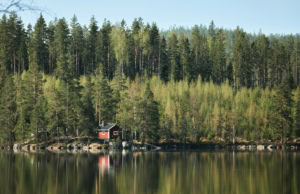
photo via unsplash
strongly tied to ideas of Swedish cultural heritage. This connection makes Dalarna one of the country’s most distinctive destinations.
Uppsala’s historical atmosphere
Uppsala offers another perspective on Sweden’s historical identity through its university traditions, cathedral architecture, and riverside districts. Located north of Stockholm, the city combines academic life with preserved historical landmarks spread across a relatively compact centre. Uppsala Cathedral dominates much of the skyline, while nearby university buildings reflect centuries of intellectual and religious history. Compared to Stockholm, Uppsala moves at a quieter pace while still maintaining strong cultural activity throughout the year. Parks, cafés, and pedestrian streets shape daily life around the city centre. Seasonal markets and student events also contribute to the atmosphere during different times of year. The surrounding countryside remains easily accessible, creating a close relationship between urban life and natural landscapes. Uppsala demonstrates how smaller Swedish cities preserve strong historical identities without feeling disconnected from modern life. The city works well as both a day trip and a longer stop within regional itineraries.
Lakes, forests, and changing seasons
One of the defining characteristics of central Sweden is the constant presence of forests, lakes, and open natural landscapes surrounding even smaller urban centres. Travelling through the region by rail reveals how closely towns remain connected to their natural environments. Summer brings long daylight hours, outdoor festivals, and increased movement between lakeside communities. Autumn introduces forests filled with changing colours, while winter transforms many regions into snow-covered landscapes associated with seasonal markets and traditional celebrations. Spring gradually returns activity outdoors after long darker months. These seasonal shifts influence everything from transport schedules to public events and local routines. The relationship between nature and daily life remains especially visible outside Sweden’s largest cities. Travellers moving slowly between destinations experience these transitions more directly than through shorter urban-focused trips. The landscape itself becomes one of the main attractions. Seasonal variation defines much of Sweden’s identity.
Markets, festivals, and regional celebrations
Throughout central Sweden, seasonal festivals remain closely tied to local traditions and public gathering spaces. Midsummer celebrations often take place around village greens and lakeside areas, with dancing, music, and communal meals continuing well into the evening under extended daylight. Winter markets transform town squares into gathering places filled with lights, crafts, and traditional foods. Smaller communities frequently organise events connected to local history, agriculture, or regional customs. Unlike larger international festivals, many Swedish celebrations maintain a quieter and more community-focused atmosphere. Public participation remains central to the experience. Travellers visiting during these periods gain insight into routines and traditions that shape life beyond major tourist attractions. The festivals also reveal how seasonal change influences social life throughout the country. Timing a trip around these events can significantly alter the atmosphere of an itinerary. The celebrations become part of the regional identity rather than separate attractions.
Bringing the journey together
Exploring Sweden’s heartland reveals a side of Scandinavia shaped less by large capitals and more by regional traditions, seasonal landscapes, and smaller historic towns. From Stockholm’s waterfront districts to Dalarna’s midsummer celebrations, each destination reflects a different aspect of Swedish culture connected through scenic rail routes and changing seasonal rhythms.
This was a guest post written for The Blonde Side. If you have a guest post you’d like to submit, please email jaymelamm @yahoo.com







Leave a Reply
Want to join the discussion?Feel free to contribute!